
Cultivating Calm: Vagal Vibe’s Online Path to Team Resilience

Is your team struggling with chronic stress and anxiety? Maybe you’re seeing communication breakdowns or just a general lack of cohesion among your staff. These aren’t just small issues. Often, they signal a collective nervous system dysregulation, especially when everyone’s working from home.
Many organizations face problems like high employee turnover and low productivity. Why? Because the deeper emotional landscape usually isn’t being addressed.
Honestly, it’s tough to build a thriving workplace when everyone feels constantly overwhelmed, isn’t it? Learn more about Learn more about related content.
That’s where a different approach comes in. Focusing on a healthy vagal tone within your team is absolutely crucial. We’re talking about shifting from just surviving to actually regulating.
This isn’t about another team-building exercise. It’s about giving concrete tools for nervous system regulation. It improves emotional regulation skills and helps foster a supportive, empathetic environment. Learn more about Learn more about related content.
The goal is a team that adapts well, communicates effectively, and bounces back from setbacks with more ease. Ultimately, we want your team to truly flourish, no matter where they’re working. And it’s all available through convenient Online consultation. Learn more about Learn more about related content.
What’s Inside This Guide
- The Core Insights
- Why a Regulated Team is Your Best Asset
- A Word on Collective Well-being
- Common Misunderstandings About Team Stress
- Practical Strategies for Regulating Team Nervous Systems
- The Leader’s Role in Nervous System Regulation
- High Stress Impacts Productivity: Teams with chronic stress and anxiety often see productivity drop by up to 25%, mainly due to less focus and more errors.
- Emotional Regulation is Key: Not having good emotional regulation skills causes workplace conflict and burnout, costing companies millions annually in lost time and turnover.
- Connection Prevents Turnover: Building a sense of belonging and connection can cut employee turnover rates by as much as 50% in demanding industries.
- Somatic Practices Show Promise: Research shows that somatic therapy and soma breathwork can make communication better and improve collective nervous system resilience.
- Holistic Support Matters: Organizations that focus on holistic well-being support report happier employees and better adaptability to change.
Why a Regulated Team is Your Best Asset
Building a truly resilient team isn’t about forced fun days or generic motivational talks. It means tackling the real sources of stress and disconnect. Many teams deal with chronic stress and anxiety, which can show up as physical symptoms like tension or digestive issues.
This affects individuals and the entire group. Learn more about Learn more about related content.
You might find it hard to create a supportive, empathetic work environment, especially in high-pressure fields like tech or healthcare. When team members lack emotional regulation skills, it often leads to conflict or burnout. This creates a ripple effect.
You’ll see communication patterns that don’t work, often coming from unresolved emotional issues within the group. Learn more about Learn more about related content.
That’s a huge problem. Teams then struggle to adapt to change or recover from setbacks, experiencing a collective nervous system overwhelm. Honestly, most people overthink this; our bodies hold so much of our stress.
Our Vagal Vibe approach, available through a virtual session, directly addresses these issues. We focus on practical somatic tools and breathwork to reset your team’s nervous system. It goes way beyond basic stress relief.
This means you can build a trauma-informed Tribe culture, creating a safer space for vulnerability and authentic expression. This approach is fundamental for truly sustainable high performance.
“True team cohesion doesn’t come from forced activities, but from creating a shared physiological calm that allows for genuine connection and empathy, even when collaborating online.”
Common Misunderstandings About Team Stress
There are some big misconceptions about how teams experience and handle stress. One common myth is that more work or tighter deadlines are the only reasons for stress. While workload matters, it’s often the lack of internal regulation and external support that truly wears people down. A team with good nervous system regulation can usually handle demanding periods much better.
Another belief is that a strong team just ‘gets over’ setbacks. But teams struggling to adapt to change aren’t necessarily lacking spirit; they’re experiencing collective nervous system overwhelm. They need specific strategies to process and recover.
Just telling them to ‘get over it’ ignores the physiological reality of collective stress. A team’s resilience isn’t just a mental thing; it’s deeply tied to their shared capacity for emotional regulation.
Finally, there’s the idea that ‘toughness’ means suppressing emotions and pushing through discomfort. Resilience is important, of course. But true team toughness involves recognizing stress, understanding its physical impact, and actively using strategies for recovery and regulation.
Ignoring these signs leads to burnout, less creativity, and ultimately, poorer performance. A team that embraces vulnerability and practices collective regulation is far tougher in the long run than one that simply grits its teeth.
Practical Strategies for Regulating Team Nervous Systems
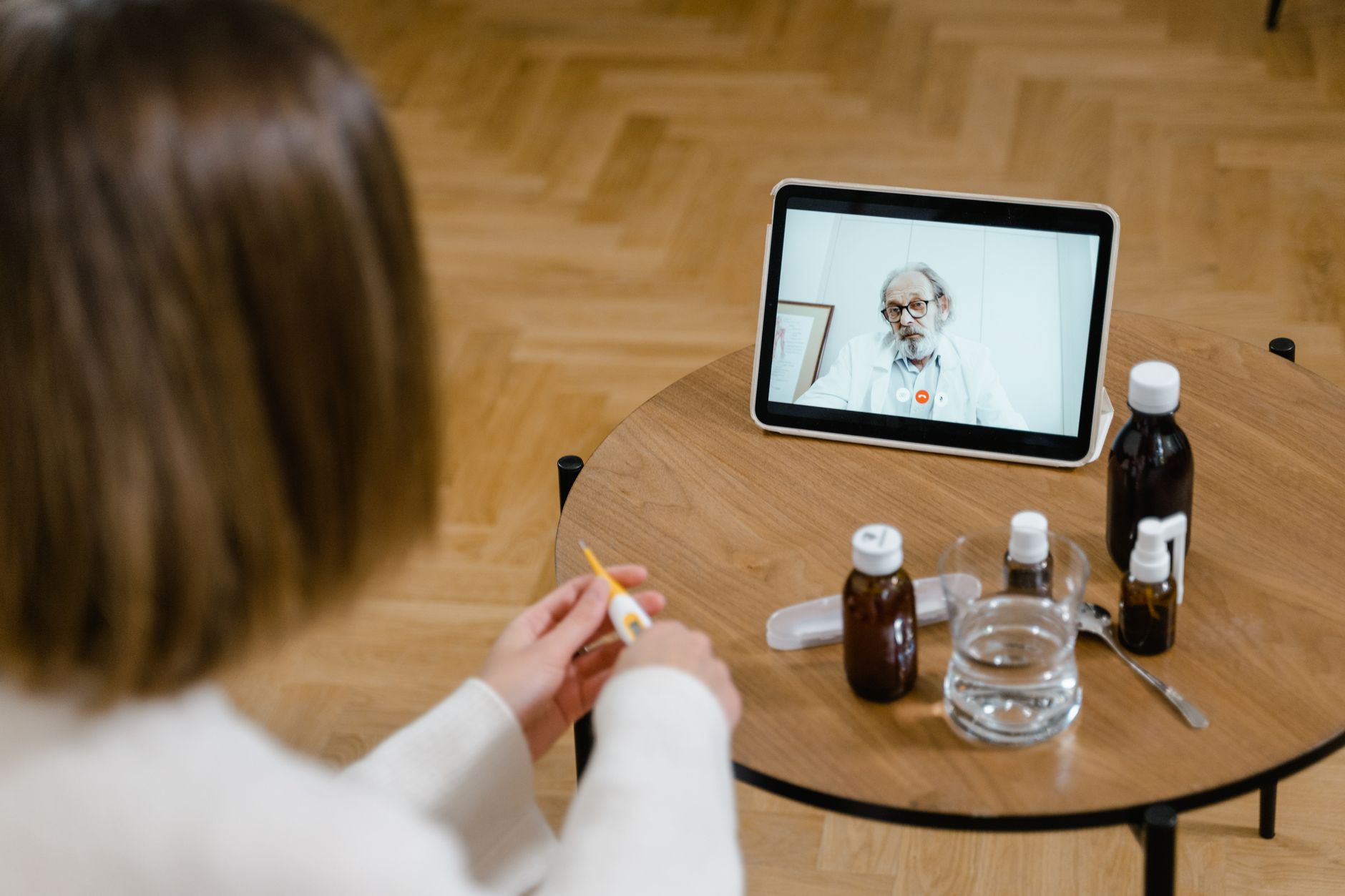
Beyond the ‘what’ and ‘why,’ let’s talk about specific strategies. You can weave these into your team’s daily life, whether you’re remote or in the office. These aren’t just feel-good exercises. They are proven ways to shift how people feel physically and mentally.
1. Intentional Start-Ups and Close-Downs
Individuals benefit from morning and evening routines. Teams can too, especially for meetings or work blocks. A “start-up” might be a 2-minute shared breathing exercise.
Or maybe a quick gratitude share, or a moment of silent intention-setting. This helps ground everyone, brings them into the present, and builds a sense of shared presence before diving into tasks.
Likewise, a “close-down” could be a brief reflection on successes or challenges. Or it could be a simple collective sigh. These small rituals act as physical resets. They prevent tension from building up and help everyone transition smoothly between activities or at day’s end.
2. Cultivating Micro-Moments of Co-Regulation
Co-regulation is how two or more nervous systems influence each other to find balance. In a team, this can happen through subtle, intentional interactions. Encourage regular, quick check-ins (beyond just work updates) where team members can share their energy levels or emotional state for the day. This can be powerful.
Just being heard and acknowledged is incredibly regulating. Even in virtual settings, visual cues like nodding, open body language, and empathetic facial expressions signal safety and connection. Leaders can show this by openly sharing their own regulated state or by acknowledging a stressful moment and guiding the team through a brief pause to re-center.
3. Integrating Movement and Sensory Breaks
Our nervous systems are deeply tied to our physical bodies. Sitting for long periods and too much screen time can make dysregulation worse. Try to encourage “movement breaks” during long meetings or work sessions. This could be a shared 5-minute stretch, a walk around the block, or just standing up and shaking out tension.
For remote teams, a “break buddy” system works well. Colleagues remind each other to step away. Also, adding sensory elements helps.
Background music that aids focus, natural light, or even encouraging team members to have a comforting drink like herbal tea during stressful times. These small things can subtly shift the collective physical state towards calm and focus.
4. Transparent Communication and Emotional Literacy
A regulated team thrives on clear, honest, and empathetic communication. This means talking about tasks, yes, but also creating an environment where team members feel safe. They should be able to express concerns, anxieties, and even personal challenges without judgment.
Developing a shared vocabulary for emotions and nervous system states is key. Think “I’m feeling a bit activated right now,” or “I need a moment to downregulate.” This demystifies these experiences.
It also allows for more targeted support. Leaders are crucial here; they need to model vulnerability and actively listen. This builds a psychological container where everyone feels seen and understood.
This emotional transparency builds trust, reduces uncertainty, and really helps with collective nervous system regulation. The team can then navigate complex challenges with greater ease and resilience.
The Leader’s Role in Nervous System Regulation
Leaders largely shape team culture. Their own nervous system state has a big ripple effect. A leader who is constantly dysregulated—stressed, overwhelmed, irritable—will unknowingly create a similar environment for their team. On the flip side, a leader who practices self-regulation, shows emotional intelligence, and models healthy boundaries becomes a powerful anchor for the entire team.
Leaders simply must prioritize their own well-being. This isn’t selfish; it’s a smart necessity. Regular self-care, be it mindfulness, exercise, or time in nature, allows leaders to show up calm and grounded.
Plus, leaders must pay attention to subtle signs of collective dysregulation within the team. Are meetings becoming tense? Is there a noticeable rise in cynicism or disengagement?
These are signals that the team’s collective nervous system might be overwhelmed.
A proactive leader will pause, acknowledge these signs, and use one of the strategies mentioned above, rather than just pushing harder. Finally, effective leaders empower their teams to take charge of their own regulation. This means providing resources, encouraging open talk, and creating psychological safety.
Team members should feel comfortable speaking up for their needs. By shifting from a top-down, command-and-control approach to one of co-creation and empathetic leadership, organizations can really boost team resilience and sustained high performance. It ensures that well-being and productivity aren’t separate, but deeply connected.