
A Burnout Recovery Checklist: Your First Steps to Healing

Feeling totally drained? Do you constantly battle that nagging sense of overwhelm? You’re definitely not alone.
So many people today deal with issues like poor sleep because their mind won’t switch off, persistent muscle tension, or even chronic pain. This isn’t just about feeling tired; it’s your nervous system stuck in high gear. It’s a tough cycle, but you can absolutely break it. Learn more about Learn more about related content.
We’re here to help you truly understand how to manage work burnout, with real solutions that go way beyond just coping.
It’s time to look at natural, holistic ways to handle anxiety and find real relief. This guide will walk you through practical steps and insights to get your peace back. You’ll discover methods to ease stress-related body pain and boost your overall well-being.
Let’s get you feeling better, starting now. Learn more about Learn more about related content.
What’s Inside This Guide
- The Quick Read: Your Burnout Recovery Essentials
- Common Misconceptions About Stress & Burnout
- Why Prioritizing Stress Relief Matters So Much Today
- A Word from the Vagal Vibe Founder
- What Not to Do When You’re Feeling Overwhelmed
- Pro Tips for Calming Your Nervous System
- Maintaining Your Calm: Long-Term Strategies
- A Journey Back to Balance: Sarah’s Story
- Vagal Vibe’s Approach vs. Traditional Methods
- Concepts Related to Deeper Healing
- Straight Answers to Common Questions
- Meet the Heart Behind Vagal Vibe
- Ready for a Change?

The Quick Read: Your Burnout Recovery Essentials
- Holistic Approach: Focus on methods that treat both mind and body for lasting calm.
- Nervous System Regulation: The real way to stop burnout is learning to reset your body’s stress response, not just dealing with symptoms.
- Sleep Improvement: Tackling an overactive mind directly helps you sleep better, which is vital for daily life.
- Physical Tension Release: Chronic stress often shows up as ongoing body pain; specific techniques can really cut this down.
- Beyond Medication: Many are looking for natural ways to ease chronic stress. Somatic therapy offers a powerful alternative.
Common Misconceptions About Stress & Burnout
There are so many ideas floating around about stress. Honestly, most people just overthink it or get it wrong. Let’s clear a few things up.
Myth 1: You just need to push through it. Many believe that if you work harder, the stress will eventually disappear, or you’ll just get used to it. But this usually makes burnout exhaustion even worse. In reality, constant pressure without proper recovery only compounds the problem.
Myth 2: Stress relief is just about relaxing. Sure, relaxation helps. But true stress relief is more than just a bubble bath. It means actively regulating your nervous system and building resilience. You can’t just wish stress away, right?
Myth 3: Physical pain from stress is all in your head. Individuals experience persistent muscle tension and chronic pain that’s directly tied to their stress levels. This pain is very real. It needs proper attention. It’s your body signaling distress, not just some mental trick.
Why Prioritizing Stress Relief Matters So Much Today
In our always-on world, the pressure seems to ramp up every single day. So, it’s no surprise many of us suffer from poor sleep because our minds just won’t quiet down. This leads to that constant grogginess all day long. Work and home often blend together, making it nearly impossible to truly disconnect.
This constant “on” state means our nervous systems hardly ever get a break. This isn’t just about feeling a bit tired; it impacts everything from focus to physical health. Many are searching for natural, holistic ways to manage anxiety without always needing medication, hoping for more lasting solutions.
Investing in your stress relief now means a healthier, more present future. It doesn’t just affect how you perform at work, but your relationships and overall happiness too. Learning stress management techniques for professionals is becoming essential, not an option. So, understanding how to manage work burnout effectively is absolutely critical for your long-term health.
“You cannot think your way out of a body that feels unsafe; the body has to breathe its way out, and this is especially true when dealing with chronic stress and past emotional trauma,” says the founder of Vagal Vibe, highlighting the deep connection between breath and healing.
What Not to Do When You’re Feeling Overwhelmed
When stress hits, it’s pretty easy to fall into habits that actually make things worse. Try to avoid these common mistakes if you’re really trying to find genuine stress relief.
Ignoring the Signs: Don’t just brush off constant fatigue, irritability, or muscle tension as ‘just how life is.’ These are clear signals from your body telling you something needs to change. Ignoring them only pushes you deeper into a cycle of stress, anxiety, and overwhelm.
Over-Reliance on Quick Fixes: Sure, a glass of wine or binge-watching a show can offer a temporary escape. But they don’t actually deal with the root causes of stress. Relying on these often stops you from building effective, long-term coping mechanisms. You’re just kicking the can down the road.
Trying to ‘Think Your Way Out’: Many people try to analyze or rationalize their way out of feeling stressed. But for issues like emotional trauma or deep-seated anxiety, the answer isn’t purely mental. You need to involve your body.
Adding More to the To-Do List: In an attempt to ‘fix’ burnout, some folks just add more self-help tasks to an already jam-packed schedule. Vagal Vibe helps end the burnout cycle without adding to your list, offering solutions that fit into your life instead of overwhelming it.
Pro Tips for Calming Your Nervous System
Ready for some real ways to shift how you feel inside? These insider tips can make a huge difference in cutting down physical tension from stress and boosting your overall well-being.
- Start with the Breath: Conscious breathing is your remote control for the nervous system. Simple practices like box breathing can quickly move you from fight-or-flight into a calm, rest-and-digest state. Try breathing in for 4 seconds, holding for 4, exhaling for 4, and holding for 4.
- Prioritize Gentle Movement: It’s crucial to do activities that connect you to your body, rather than pushing it hard. This could be slow yoga, walking in nature, or just stretching. It really helps regulate your nervous system and release stored tension.
- Tune into Vagal Tone Exercises: Specific exercises, like humming, gargling, or even a quick splash of cold water, can stimulate your vagus nerve. This is super important for deep relaxation and feeling good emotionally. Research shows that improving vagal tone can make you more resilient to daily stress.
- Mind-Body Connection is Non-Negotiable: You can’t separate how your body feels from your emotions. So, if you want to deal with past emotional trauma or sleep better when your mind races, you have to address both. Practical somatic tools and breathwork are essential for this.
- Seek Trauma-Informed Support: If you’re wondering where you can find trauma-informed stress relief, look for practitioners who truly understand how trauma impacts the body. This approach respects your pace and helps you feel safe throughout the healing process.
- Regulate Your Rhythm: Resetting the nervous system through rhythmic oxygenation and breath retention is a powerful technique. This isn’t just about breathing; it’s about restoring your natural rhythm and coming back to yourself through gentle somatic therapy.
Maintaining Your Calm: Long-Term Strategies
Getting that initial stress relief feels amazing, but keeping it up is where the real effort—and lasting change—happens. It’s all about building habits that support your whole well-being over time.
Regular Somatic Check-ins: Make it a habit to regularly tune into your body. Notice where you hold tension. Are your shoulders hunched?
Is your jaw clenched? These small observations really help cut down physical tension from stress before it gets out of hand.
Consistent Breathwork Practice: Just like hitting the gym, consistency is key with soma breathwork. Even 5-10 minutes a day can dramatically improve sleep from an overactive mind and keep your nervous system regulated. Consider signing up for the Vagal Vibe newsletter for regular tips and reminders.
Environmental Awareness: Figure out what stresses you out in your daily life. Then, if you can, reduce it. This might mean setting boundaries at work or making your home a calmer space. These practical steps truly help with burnout exhaustion.
Community Support: Connecting with other people on a similar path can give you incredible support. Sharing experiences and learning from one another creates a sense of belonging and makes you feel less isolated. This support system is part of a complete stress management approach.
A Journey Back to Balance: Sarah’s Story
Sarah, a marketing executive, came to Vagal Vibe feeling completely worn out. She constantly battled poor sleep because her mind wouldn’t switch off. She also had persistent physical tension, especially in her neck and shoulders.
Her doctor had mentioned it was likely stress-related, but she felt trapped, tired of just managing symptoms with medication. She was actively looking for trauma-informed stress relief, as past experiences were also starting to resurface.
We began with gentle somatic therapy and personalized guidance throughout her recovery. Sarah learned practical somatic tools and breathwork to reset her nervous system. She realized how much her body had been holding onto, which contributed to her chronic pain and anxiety. With soma breathwork, she started to explore techniques for breath retention and rhythmic oxygenation.
Over a few months, Sarah reported a significant drop in her stress-related body pain. She found natural remedies for chronic stress that actually worked for her. Her sleep improved dramatically.
She also felt more connected to her body, not distant. For Sarah, it wasn’t just about ‘feeling better’; it was about learning how to manage work burnout effectively and gaining tools for lasting holistic well-being. She now proactively practices vagal tone exercises and feels more resilient than ever.
Vagal Vibe’s Approach vs. Traditional Methods
When you’re trying to figure out what truly helps with constant, overwhelming stress, you’ll find tons of options. But not all approaches are created equal. Let’s see how Vagal Vibe stands out with its unique, multi-dimensional way of doing things.
| Feature | Vagal Vibe’s Approach | Traditional Coping Methods |
|---|---|---|
| Focus | Nervous System Regulation (gets to the root cause) | Symptom Management (temporary relief) |
| Techniques | Somatic therapy, Soma Breathwork, Psychology-informed guidance, vagal tone exercises | Medication, talk therapy (often separate), generic relaxation |
| Engagement | Mind-body connection, active participation, gentle | Often passive, focuses only on thinking processes |
| Goal | Lasting holistic well-being, resilience, ending the burnout cycle | Short-term relief, coping strategies, managing symptoms |
| Duration | Tailored to your pace, long-term impact | Often prescriptive, may require continuous use |
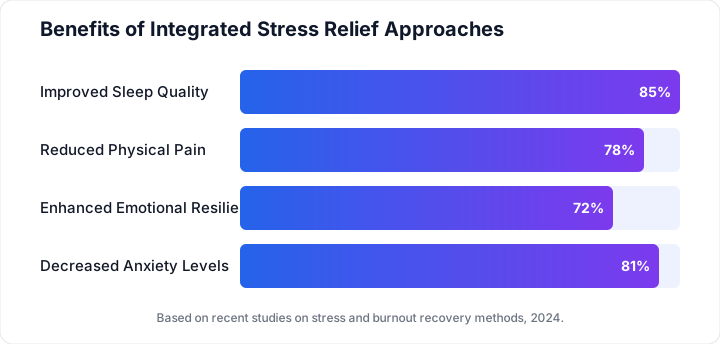
Industry data shows that integrated mind-body practices are getting more and more recognition for how well they work with complex issues like chronic stress and emotional trauma. Studies report that methods like soma breathwork offer profound benefits for stress and burnout therapy, going beyond simple stress reduction.
Concepts Related to Deeper Healing
- Vagus Nerve Stimulation: This nerve is super important for calming your body and mind. Techniques like humming or gargling can stimulate it, helping you relax.
- Polyvagal Theory: This helps us understand how our nervous system reacts to feeling safe or in danger. It explains why we act the way we do under stress.
- Embodiment Practices: These are methods that encourage you to feel and connect with your body’s sensations. This helps you process emotions and release tension.
- Neuroplasticity: This is your brain’s ability to rewire itself by forming new connections throughout your life. It means you can actually change how you react to stress.
- Interoception: This is your sense of your body’s internal state. It’s crucial for self-awareness and regulating things like hunger, pain, or emotional arousal.
- Trauma-Informed Care: This approach recognizes the widespread impact of trauma and weaves that understanding into all practices and policies.
Straight Answers to Common Questions
What exactly is nervous system regulation?
Nervous system regulation means consciously shifting your body’s physical state from a stressed, ‘fight or flight’ response to a calm, ‘rest and digest’ state. It’s about learning to influence your autonomic nervous system, instead of always being at its mercy. This is often done through practical somatic tools and breathwork. And it really helps end the cycle of burnout.
Can soma breathwork really help with chronic pain?
Yes, absolutely. Many people experience persistent physical tension and chronic pain directly linked to their stress levels. Soma breathwork, which includes rhythmic oxygenation and breath retention, can help ease stress-related body pain.
It does this by calming the nervous system, cutting down inflammation, and releasing deeply held tension in the body. It’s a powerful natural remedy for chronic stress, in our experience.
Is Vagal Vibe’s approach suitable for emotional trauma healing?
Absolutely. Vagal Vibe offers trauma-informed stress relief, blending gentle somatic therapy with psychology. We believe that to truly deal with past emotional trauma, your body needs to be involved, not just your mind. Guidance through your recovery journey with both psychology and Soma Breathwork is a core part of what we do.
How quickly can I expect to see results?
Results are different for everyone. But many clients report feeling calmer and clearer even after their first session. Consistent practice of vagal tone exercises and somatic techniques usually leads to significant improvements in sleep quality, less physical pain, and better stress management within a few weeks to months. It’s a journey, not a quick fix.
I have an overactive mind that affects my sleep. Can you help?
Poor sleep because of an overactive mind is a very common issue we tackle. Our mind-body connection techniques, especially soma breathwork and specific vagal tone exercises, are incredibly effective at quieting that internal chatter. This helps improve sleep when your mind is racing by teaching your nervous system to wind down before bed.
What makes Vagal Vibe different from other stress management programs?
Vagal Vibe uniquely combines a foundation in psychology with the rhythmic power of Soma Breathwork and gentle somatic therapy. We offer holistic stress relief by focusing on deep nervous system regulation, not just surface-level relaxation. Our approach is about helping you restore your rhythm and giving you long-term coping mechanisms. This truly helps you learn how to manage work burnout effectively.
Is this a natural approach to anxiety management?
Yes, our services are specifically designed for people seeking natural, holistic ways to manage anxiety without relying solely on medication. We provide practical somatic tools and breathwork to reset your nervous system. This offers a sustainable path to reduce anxiety and cultivate inner peace.

Meet the Heart Behind Vagal Vibe
Ready for a Change?
If you’re tired of poor sleep, persistent physical tension, and that constant feeling of overwhelm, it’s time to try a different path. You really deserve to feel calm, connected, and resilient. Learning how to manage work burnout effectively and finding natural remedies for chronic stress doesn’t have to be another task on your never-ending to-do list.
Take that first step toward a more regulated nervous system and lasting holistic well-being. We’re here to help you restore your rhythm. If you’re looking for local stress management programs, don’t hesitate to get in touch with Vagal Vibe today. Let’s start your journey to a calmer you.