
5 Somatic Therapy Tools to Better Manage Daily Anxiety

Ever feel stuck in “fight or flight”? Lots of people experience chronic stress and anxiety, making it tough to truly relax or handle big emotions. It’s a really common problem. Learn more about Learn more about related content.
It impacts daily life and can even cause physical symptoms like tummy trouble or constant muscle tension. We often hear “just relax,” but that’s a tough ask when your nervous system is on high alert. Learn more about Learn more about related content.
That’s why understanding your foundational baseline cost – what it actually takes to feel balanced again – is so important for long-term well-being.
What’s Inside This Guide
- The Essential Insights
- Why Somatic Approaches Stand Out
- A Clinician’s Perspective on Regulation
- Missteps on the Path to Calm
- How Vagal Vibe’s Method Really Works
- Serving Our Community
- Choosing Your Path: Vagal Vibe vs. Traditional Methods
- Beyond the Core Practice: Related Wellness Concepts
- Burning Questions About Nervous System Regulation
- The Heart of Vagal Vibe
- Your Step Towards Lasting Calm
The Essential Insights
- Root Cause Focus: Most traditional methods only treat symptoms. A holistic approach targets the nervous system imbalance itself.
- Beyond Talk Therapy: Emotional trauma healing needs the body. Cognitive strategies alone often aren’t enough.
- Vagal Tone Matters: Boost your vagal tone naturally. This is key to leaving that constant fight-or-flight state.
- Burnout is Beatable: Effective breathwork for burnout uses rhythmic breathing and gentle somatic therapy to restore energy.
- Cost-Effectiveness: A foundational wellness program might seem like a big initial cost. But its long-term benefits for your mental and physical health are huge.
Why Somatic Approaches Stand Out
Many folks struggling with ongoing stress and overwhelming feelings find that typical solutions don’t really fix anything. They might try meds or therapy, but that “stuck in fight or flight” feeling just hangs around. This isn’t just about what you think.
It’s about deep physical patterns. Learn more about Learn more about related content.
Somatic therapy, especially with breathwork, offers a unique way forward. It directly tackles how your body reacts to stress. It gives you practical tools to reset your nervous system.
You can move past all that mental noise. Learn more about Learn more about related content.
This approach really helps people who’ve hit burnout. Maybe they’re just exhausted from long-term stress and didn’t have good coping skills. It offers a real way to manage your mood and body responses yourself. Learn more about Learn more about related content.
The focus is on connecting your mind and body again. Honestly, many clients say this was the missing piece in their wellness puzzle. It’s about building your baseline from the ground up, not just managing symptoms.
“Honestly, most people overthink stress. Your body holds the trauma, and while the mind plays a role, the fastest route to regulation often comes through directly working with the breath and subtle body sensations.”
Missteps on the Path to Calm
Dealing with chronic stress and anxiety can easily lead you down wrong paths. One big mistake is trying to “think” your way out of physical feelings or past trauma responses. Our brains are amazing, but they can’t always reason away a deeply wired nervous system reaction. This often leaves you feeling inadequate or even more burned out when you try harder but don’t see results.
Another trap is only relying on quick fixes or ignoring your body’s signals. Many want non-pharmacological methods for emotional healing, which is great. But sometimes people pick passive approaches.
Just meditating, for instance, without actively engaging the breath. Or they might jump from one solution to another, never really committing to build a solid foundational baseline. And honestly, not everyone gets that physical issues like digestive problems or tense muscles are often directly linked to their stress.
Ignoring these body cues means you’re missing key signs of a dysregulated nervous system.
How Vagal Vibe’s Method Really Works
At Vagal Vibe, re-establishing your foundational baseline isn’t about adding more to your already packed schedule. It’s about practical somatic tools and breathwork. These are designed to reset your nervous system.
This approach goes beyond traditional meditation. It actively engages the vagus nerve, which is super important for regulating your stress response. We use techniques like Soma Breathwork, which mixes rhythmic oxygenation with breath retention.
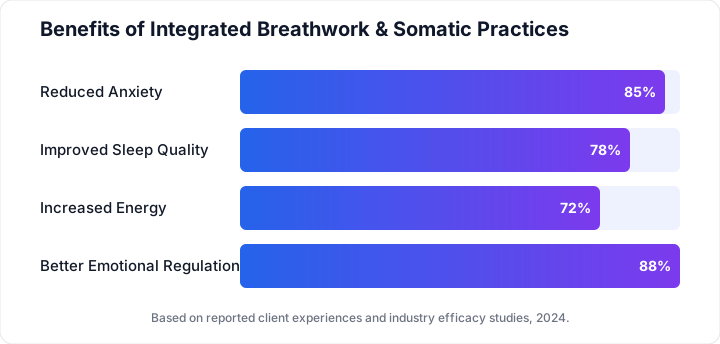
Research in Frontiers in Psychology shows that conscious breathing can really affect your autonomic nervous system. It shifts you from “fight or flight” to “rest and digest.” This means you’re not just calming down; you’re actively rewiring your body’s physical responses. The rhythmic breathing, with gentle somatic therapy, helps process and release old emotional trauma. It offers a path for emotional healing through rhythmic breathing.
The goal is to integrate, not just optimize, your nervous system regulation. We help you move past chronic fatigue and burnout. This isn’t just theory; it’s a guided journey.
You get effective breathwork for nervous system dysregulation. You learn to self-regulate your mood and body responses. You’ll pick up strategies for emotional regulation you can actually use every day, giving you real solutions for constant overwhelm stress.
Serving Our Community
At Vagal Vibe, our main goal is to support people who want to build emotional resilience naturally. We understand the specific stresses of modern life. While we help clients everywhere, we pride ourselves on being available for local breathwork for stress relief. We know finding soma breathwork sessions nearby can be tricky.
Whether you’re looking for nervous system reset breathwork or emotional healing breathwork in your area, we offer personalized help. Our aim is to make these powerful practices available to you. We want to help you manage overwhelming emotions effectively. You can also address physical symptoms like digestive issues or muscle tension that come from stress.
Choosing Your Path: Vagal Vibe vs. Traditional Methods
When you’re ready to tackle chronic stress and feel better, you’ve got options. It’s good to know the differences.
| Feature | Vagal Vibe Approach | Traditional Therapies / Medication |
|---|---|---|
| Focus | Holistic mind-body regulation, root cause of dysregulation | Symptom management, cognitive reframing, chemical balance |
| Methodology | Soma Breathwork, somatic therapy, vagal tone exercises | Talk therapy, pharmaceuticals, meditation apps |
| Engagement | Active participation, practical tools for self-regulation | Often passive, relies on external intervention |
| Outcome for Burnout | Sustainable burnout recovery program, body-led healing | Temporary relief, risk of relapse if root cause isn’t addressed |
| Cost Perspective | Foundational wellness program price based on depth of transformation | Ongoing prescriptions, co-pays, variable therapy costs |
Industry data suggests many people find combining approaches works best. But for those seeking non-pharmacological ways to heal emotionally and clear their minds, our somatic breathwork for anxiety offers a powerful choice. It directly helps reset sympathetic dominance. Plus, it encourages deep relaxation techniques.
Beyond the Core Practice: Related Wellness Concepts
- Vagal Tone: This is how well your vagus nerve works. It controls heart rate, digestion, and stress responses. Improving it naturally is a big benefit.
- Soma Breathwork: This is a specific system. It uses rhythmic breathing, breath holding, and guided meditation to activate your vagus nerve. It helps regulate your nervous system.
- Somatic Therapy: This body-focused approach heals trauma and stress. You learn to notice physical sensations and release stored tension. You can restore your rhythm and feel at home in your body through gentle somatic therapy.
- Neuroplasticity: Your brain can reorganize itself and form new connections. This means you can actually rewire your stress responses.
- Interoception: This is your sense of your body’s internal state. Things like heart rate or breathing. Breathwork really enhances this.
- Emotional Resilience: This is your ability to adapt to stressful times and tough situations, coming out stronger. Good emotional regulation strategies are key to building it.
Burning Questions About Nervous System Regulation
What is Soma Breathwork and how does it help anxiety?
Soma Breathwork combines rhythmic breathing, breath holding, and guided meditation. It helps cut down anxiety by stimulating your vagus nerve. This calms your nervous system. It shifts you from “fight or flight” to “rest and digest.” This process directly addresses nervous system dysregulation, giving you effective breathwork for nervous system dysregulation.
Can breathwork really help with emotional trauma healing?
Yes, many people find breathwork incredibly useful for emotional trauma healing. The rhythmic breathing patterns and somatic practices help release stored tension in the body. This allows for emotional release and processing.
You don’t solely rely on cognitive understanding. It’s a key part of how to manage overwhelming emotions with breathwork.
What’s the typical foundational baseline cost for these services?
The foundational baseline cost can change. It depends on how intense and long the program is. For instance, a full burnout recovery program cost might differ from just a few sessions on specific techniques.
We offer various packages; your best bet is to ask us directly. We can discuss your needs and give you a clear foundational wellness program price.
How long does it take to improve emotional resilience naturally with breathwork?
Improving emotional resilience naturally isn’t a one-time thing. It’s a journey. Many clients report feeling changes after just a few weeks of consistent practice.
But long-term, dedicated effort gives you the deepest and most lasting changes. That’s how you really overcome chronic fatigue and manage intense emotions.
Is Soma Breathwork suitable if I’m feeling perpetually stuck in ‘fight or flight’?
Absolutely. Soma Breathwork was specifically designed to address feeling perpetually stuck in “fight or flight” mode. By consciously using your breath, you can reset sympathetic dominance.
It helps promote a more balanced nervous system. It’s a powerful tool for burnout and exhaustion from long-term stress, especially when you feel you have no coping mechanisms.
Beyond meditation, what makes Soma Breathwork different for deep relaxation?
Meditation is good, but Soma Breathwork for deep relaxation takes things further. It uses structured breathing patterns and retention. This creates actual physiological changes.
Actively engaging your respiratory system can lead to really profound states of calm and mental clarity. It goes beyond typical relaxation. It’s excellent for those who struggle to relax deeply or sleep well because their mind is always racing.
Where can I find soma breathwork practitioners near me?
If you’re searching for Soma Breathwork practitioners nearby, Vagal Vibe offers certified guidance. We do both in-person and online sessions. This makes the practice accessible to you. Don’t hesitate to reach out if you need local breathwork for stress relief.
The Heart of Vagal Vibe
Your Step Towards Lasting Calm
You really don’t have to live with chronic stress and anxiety. If burnout and exhaustion are your constant companions, or you just can’t seem to relax deeply, know there are effective tools out there. Taking charge of your nervous system is one of the most impactful things you can do for your overall well-being.
Start exploring how to improve vagal tone naturally. Find solutions for that constant overwhelm stress. For guidance on establishing your foundational baseline and embracing a more regulated life, reach out today.
You can learn more about how to hire an emotional resilience coach and start your journey towards lasting peace by visiting Vagal Vibe’s booking page. Your path to a calmer, more regulated self is waiting.