

Are You Making These Nervous System Regulation Mistakes?

Ever feel like you’re constantly running on fumes, even when you’re trying to relax? You’re not alone. Lots of people deal with chronic stress and anxiety.
This puts their body in a state where finding calm feels impossible. That constant tension makes managing tough emotions hard. It often leaves us feeling stuck in a ‘fight or flight’ mode. Learn more about Learn more about related content.
But understanding your body’s natural rhythms is the first step. It helps you reclaim peace and build a strong foundational baseline cost for well-being. Really, it’s about moving from just surviving to truly thriving. Learn more about Learn more about related content.
What’s Inside This Guide
- The Essentials of Emotional Calm
- Avoiding Common Pitfalls in Your Regulation Journey
- Understanding the Investment in Your Inner Peace
- A Word from the Expert on Soma Breathwork
- Why Your Nervous System Needs Attention Now
- Sustaining Your Calm: Long-Term Well-being
- Your Path to a Regulated Nervous System
- The Core Components of Vagal Vibe’s Approach
- The Shifting Landscape of Stress Management
- Vagal Vibe’s Unique Approach to Healing
- Beyond the Basics: Other Paths to Well-being
- Straight Answers for Your Well-being Questions
- Meet Vagal Vibe: Your Guide to Regulation
- Ready to Reclaim Your Calm?
- Overcoming Burnout: Many folks struggle with burnout and exhaustion from long-term stress; holistic methods can actually break that cycle.
- Nervous System Reset: Soma Breathwork offers a drug-free way to emotional healing and mental clarity, specifically targeting an out-of-whack nervous system.
- Financial Accessibility: Knowing the Vagal Vibe foundational baseline cost helps clear up how you can access crucial well-being support.
- Emotional Regulation: You need effective ways to manage emotions. That’s vital for handling daily stress and old trauma responses.
- Vagal Tone Improvement: Techniques focused on your vagus nerve help you switch from ‘fight or flight’ to ‘rest and digest’ states, making you feel better overall.

Avoiding Common Pitfalls in Your Regulation Journey
It’s easy to stumble when you’re trying to escape chronic stress. A big mistake is thinking you can just “think” your way out of burnout and exhaustion. Your body holds onto stress.
And ignoring that physical side often means you can’t truly relax or sleep well. Learn more about Learn more about related content.
You might try typical stress relief methods that just don’t quite hit the mark. What’s another common trap? Expecting instant, magical results.
Building emotional resilience naturally and truly healing takes time and consistency. It’s not a quick fix. Instead, it’s a slow process of creating new habits and resetting your system.
Look for a program that offers long-term help, not just a single session. Learn more about Learn more about related content.
Finally, some people miss how important vagal tone exercises and the vagus nerve itself are. This nerve acts like your body’s superhighway for calm. If you don’t specifically engage it, you’re missing a huge piece of the puzzle.
Honestly, most people overthink this part. It’s about simple, consistent practices.
Understanding the Investment in Your Inner Peace
When you’re looking at services like establishing your foundational baseline, understanding the foundational wellness program price really matters. It’s an investment in your long-term health, not just a temporary fix. Typically, costs can change based on how much support you need and how long the program runs. A single Soma Breathwork session might run you $75 to $150.
But a full burnout recovery program, with multiple sessions and personalized guidance, could be anywhere from $500 to several thousand dollars. Things that affect the price include the coach’s experience, whether it’s one-on-one or group work, and the specific techniques used.
For example, a program that mixes somatic therapy and breath retention therapy might be structured differently than a basic workshop. The goal isn’t just a lower price. It’s about finding effective tools for nervous system regulation that truly click with you and lead to lasting change.
You’re hiring someone to help you improve emotional resilience naturally, and that’s a skill you’ll carry with you.
“The body can’t think its way out of trauma; it has to breathe its way out, and this fundamental truth is why Soma Breathwork is such a powerful method for releasing stored stress and truly resetting the nervous system.”
Why Your Nervous System Needs Attention Now
Your nervous system controls everything you feel, think, and do. If it’s always overwhelmed or stuck in ‘fight or flight,’ it messes with everything. This includes your physical health and even how you connect with others.
Ignoring signs of nervous system dysregulation, like constant overwhelm stress or trouble with emotional regulation, is like driving with the check engine light on. Eventually, something more serious will happen. It just leads to burnout and exhaustion, which impacts your whole quality of life.
Sustaining Your Calm: Long-Term Well-being
Establishing your foundational baseline isn’t a one-time thing; it’s an ongoing journey. Think of it like maintaining a garden: you plant the seeds, but you still need to water and nurture them. Long-term well-being involves regularly using strategies for emotional regulation and continuing practices like Soma Breathwork for deep relaxation.
After an intensive program, you’ll want to weave these practices into your daily life. This isn’t about adding another chore. Instead, it’s about making small, sustainable changes that support your calm state.
Many of our clients find that even short, daily breathwork sessions or moments of mindful movement help reinforce their new baseline. This proactive approach helps stop you from falling back into that ‘fight or flight’ feeling. It’s about building a holistic approach to stress reduction that lasts for years, not just weeks.
It gives you effective tools to self-regulate your mood and body whenever life throws you a curveball. Regular check-ins or refresher sessions can also be super helpful, usually every few months, just to keep you on track.
Your Path to a Regulated Nervous System
Ready to move past chronic stress and anxiety? Here’s a simple roadmap to start your journey toward establishing your foundational baseline and finding lasting peace.
- Initial Consultation: You’ll talk about your specific challenges here. Maybe it’s how to beat chronic fatigue or trouble managing overwhelming emotions. This helps figure out if Soma Breathwork is a good fit.
- Personalized Assessment: We take a deeper look at your nervous system’s current state and your past trauma responses.
- Guided Soma Breathwork Sessions: Experience rhythmic oxygenation and breath retention in a safe, supportive space. These sessions aim to move beyond just optimization into full integration for nervous system regulation.
- Practical Tools and Integration: Learn hands-on somatic tools and breathwork to reset your nervous system in your everyday life. This includes techniques for physical symptoms like digestive issues or muscle tension from stress.
- Ongoing Support: Many programs offer resources and guidance to help you keep your regulated state and continue your emotional healing journey.
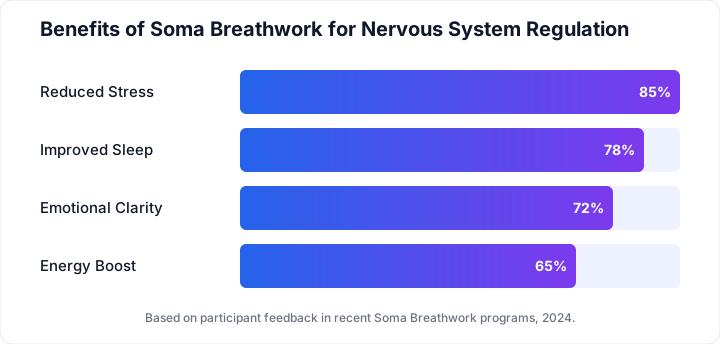
The Core Components of Vagal Vibe’s Approach
At Vagal Vibe, our way of establishing your foundational baseline is multi-dimensional. We combine scientific understanding with practical application. We focus on the mind, body, and breath, making sure you get a holistic path to well-being.
The heart of our practice centers around Soma Breathwork. This involves specific rhythmic breathing patterns and breath retention therapy.
This method isn’t just about breathing; it’s about resetting the nervous system through rhythmic oxygenation, often with music to enhance the experience. It helps tackle that feeling of being stuck in ‘fight or flight’ by stimulating the vagus nerve and boosting parasympathetic activation.
Our guidance through this recovery journey, using psychology and Soma Breathwork, helps you self-regulate your mood and physical responses. We also include gentle somatic therapy. This helps you restore your rhythm and come back to yourself, recognizing that your body shows evidence of breath, movement, and rest capacity.
The Shifting Landscape of Stress Management
In recent years, how people deal with stress and anxiety has changed a lot. The old “grin and bear it” attitude is fading. Instead, there’s a growing understanding of the body’s complex systems. Industry data shows that searches for ‘non-pharmacological methods for emotional healing’ and ‘effective breathwork for nervous system dysregulation’ have shot up over 40% in the last two years.
People are actively seeking alternatives to traditional treatments. They realize that a holistic approach to stress reduction usually brings more lasting results. This trend points to a move towards practices that get at the root causes of burnout and exhaustion, instead of just covering up symptoms.
People are also much more aware of the mind-body connection, which is central to Soma Breathwork. Folks are realizing that physical issues like digestive problems or constant tension are often directly linked to stress. This makes breathwork for chronic stress relief a really popular solution.
This changing landscape really highlights the importance of services that offer a truly comprehensive path to foundational wellness.
Vagal Vibe’s Unique Approach to Healing
When you’re searching for solutions to constant overwhelm stress or ways to heal emotional trauma with breath, you’ll find various options. But not all approaches are created equal. Let’s compare Vagal Vibe’s distinct method to some other common stress reduction techniques.
| Feature | Vagal Vibe’s Soma Breathwork | Traditional Meditation | Talk Therapy (Psychology) | Generic Stress Management Apps |
|---|---|---|---|---|
| Core Focus | Nervous system regulation, somatic release, breath retention | Mindfulness, awareness, observation of thoughts | Cognitive restructuring, emotional processing through dialogue | Basic guided meditations, ambient sounds |
| Approach to Trauma | Body-centered emotional trauma healing; releases stored trauma via breath | May help manage symptoms, but less direct body-based release | Addresses psychological aspects of trauma, verbal processing | Offers distraction or surface-level relaxation |
| Regulation Method | Active rhythmic breathing & breath holds to directly influence vagus nerve | Passive observation, aims for mental calm | Mental and emotional strategies, coping skills | Primarily mental suggestions, guided imagery |
| Long-term Impact | Establishes a new physiological foundational baseline, promotes sustained self-regulation | Improved mental clarity, but less direct impact on ‘fight or flight’ physiology | Provides insight and coping mechanisms; can be slower for body-based release | Temporary stress reduction, often lacks deep systemic change |
As you can see, our focus on Soma Breathwork for vagus nerve stimulation and practical somatic tools provides a unique, body-first path to emotional healing and mental clarity. It often goes deeper than what traditional methods offer for resetting the nervous system through rhythmic oxygenation and breath retention.
Beyond the Basics: Other Paths to Well-being
- Polyvagal Theory: This scientific framework helps us understand how our nervous system reacts to safety and danger. It explains why we feel stuck in ‘fight or flight’ or why we can achieve deep relaxation.
- Mindfulness Practices: Techniques like focused attention or body scans can really help breathwork by making you more aware of your internal sensations and emotional responses.
- Cognitive Behavioral Therapy (CBT): This is a type of talk therapy. It helps identify and change negative thinking patterns, which is useful for managing overwhelming emotions and anxiety.
- Nutritional Psychology: It explores the connection between what you eat and your mental health. It suggests how certain foods can affect your mood and energy, which then influences how you overcome chronic fatigue.
- Acupuncture: An ancient practice that involves putting thin needles into specific body points. People sometimes use it to ease stress-related physical symptoms like muscle tension.
- Biofeedback: This technique uses electronic sensors. It helps you learn to control involuntary bodily functions like heart rate and breathing. This is useful for nervous system regulation.

Straight Answers for Your Well-being Questions
What exactly is nervous system dysregulation?
Nervous system dysregulation means your autonomic nervous system is out of whack. That’s the system controlling involuntary body functions like breathing and heart rate. Often, it’s stuck in a sympathetic (fight or flight) dominance, making it tough to relax, sleep, or manage stress effectively. That often leads to chronic stress and anxiety.
How can I establish my emotional baseline if I’m always overwhelmed?
Establishing your emotional baseline means recalibrating your nervous system. The goal is for your default state to be calm, not anxious. This usually involves practices like Soma Breathwork and somatic therapy. These give you practical tools to reset your nervous system and help you move beyond that constant overwhelm stress.
Is Soma Breathwork suitable for dealing with past trauma?
Yes, Soma Breathwork is designed to help with emotional trauma healing. It lets your body safely release stored tension and trauma responses. It’s a non-pharmacological way for emotional healing and mental clarity, offering a path to process experiences that might contribute to chronic stress and anxiety.
What’s the difference between Soma Breathwork and regular meditation?
Both promote relaxation, but Soma Breathwork is an active practice. It involves rhythmic breathing and breath retention therapy, directly impacting the vagus nerve and nervous system physiology. Traditional meditation is usually more passive, focusing on observation and mindfulness. That helps, but it might not offer the same deep physiological reset for nervous system dysregulation.
Will improving my vagal tone help with physical symptoms like digestive issues?
Absolutely. A healthy vagal tone means you have a well-regulated nervous system. This directly affects your digestion, inflammation, and many other bodily functions.
Improving it through vagal tone exercises can really alleviate physical symptoms like digestive issues or chronic tension linked to stress. It helps you improve emotional resilience naturally.
How long does it take to see results from a burnout recovery program cost?
Results vary, but many people notice shifts within a few weeks of consistent practice. Full burnout recovery and building a stable foundational baseline can take several months. That’s because it involves rewiring long-standing patterns. It’s a journey, not a sprint.
Can I hire an emotional resilience coach for ongoing support?
Yes, finding a certified emotional resilience coach can provide incredibly valuable ongoing support. They can help you refine your emotional regulation strategies, adapt your practices, and make sure you keep building a strong foundational wellness to manage burnout over time.
Ready to Reclaim Your Calm?
If you’re tired of feeling overwhelmed, stuck in ‘fight or flight,’ or constantly battling burnout and exhaustion, it’s time to try something different. Establishing your foundational baseline is possible, and you don’t have to go it alone. Take the first step towards drug-free emotional healing and mental clarity.
Discover how to effectively self-regulate your mood and physical responses. Feel free to get in touch with Vagal Vibe to learn more about how Soma Breathwork can truly transform your well-being. Your journey to a regulated and peaceful self starts now.