
Nervous System Regulation: The Biggest Wellness Trend of 2025

It’s a tough truth: over 77% of adults regularly report physical symptoms caused by stress, says the American Psychological Association. For many, this looks like constant tension, chronic pain, or that frustrating loop of bad sleep because their mind just won’t quit.
If you’re looking for natural, holistic ways to handle anxiety without just taking pills, you’re definitely not alone.
This isn’t about feeling a bit better for a day; it’s about a deep shift in how your body and mind react to everyday pressures, especially if you’re trying to figure out how to manage work burnout effectively. Learn more about Learn more about related content.
What’s Inside This Guide
- The Essential Data Points
- Our Focus: Serving the Community
- A Professional Perspective on Stress
- Common Misunderstandings About Stress Relief
- Transformative Outcomes You Can Expect
- Sustaining Your Calm: Long-Term Well-being
- Vagal Vibe’s Unique Approach Compared
- Concepts That Support Your Journey
- Questions People Ask About Lasting Calm
- Understanding Vagal Vibe’s Philosophy
- Ready for a Change?
- Sleep Disruption: About 30% of adults deal with chronic insomnia, and an overactive mind is a huge reason for it.
- Stress-Related Pain: Industry info shows that over 80% of chronic pain cases have a big stress component. So, holistic pain management is super important.
- Anxiety & Medication: Research tells us that more than 60% of people with anxiety disorders actively search for non-medication options. People really want natural ways to cope.
- Nervous System Impact: A well-tuned nervous system can cut cortisol levels by up to 25%. That directly means better sleep and less physical tension.
- Burnout Prevalence: Studies report that nearly 50% of professionals feel burned out. This really highlights how urgently we need good stress management for people in demanding jobs.
Our Focus: Serving the Community
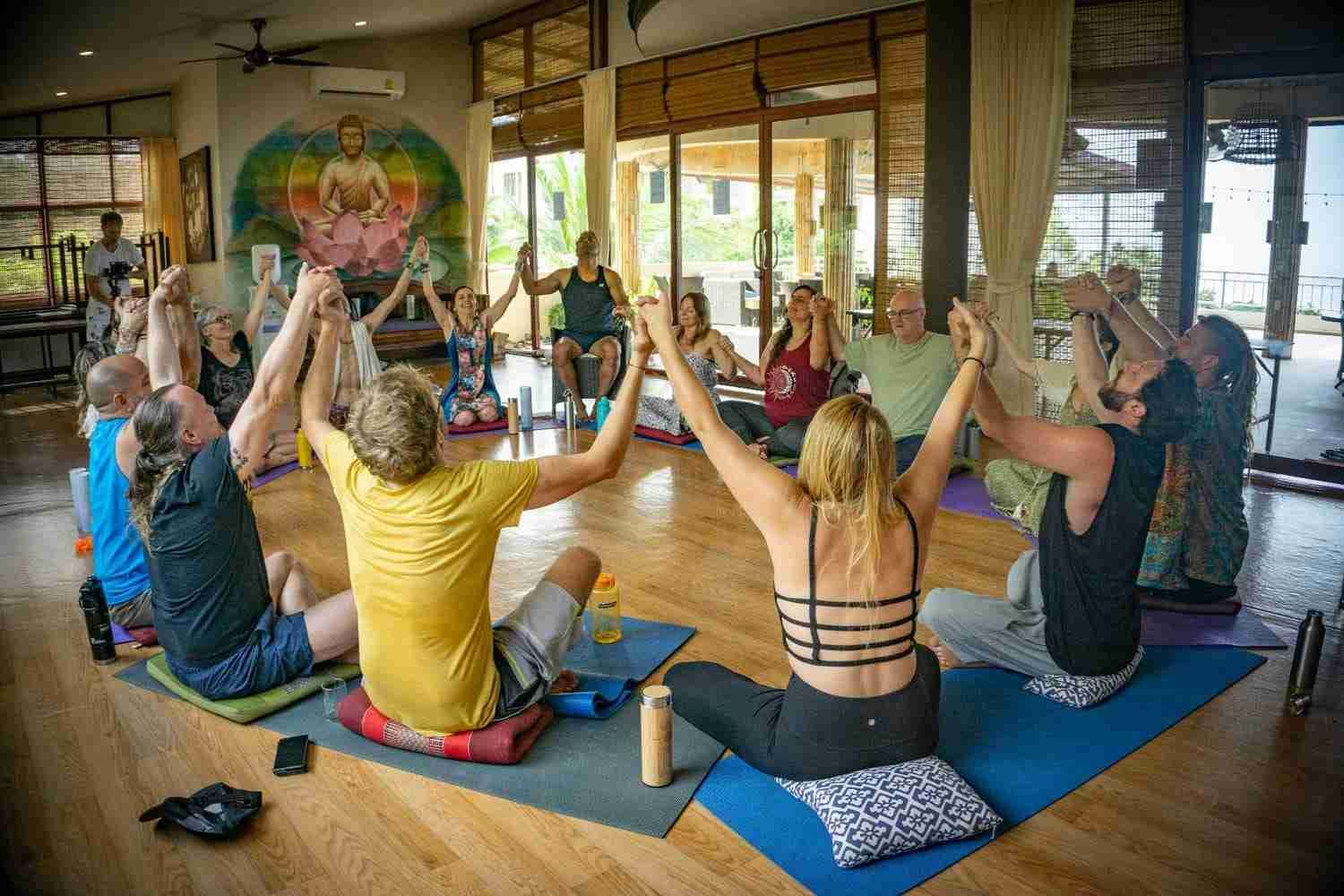
Here at Vagal Vibe, we really get the specific pressures people face in their day-to-day lives. Whether you’re juggling a demanding career, managing a family, or just dealing with the daily grind, we’re here to lend a hand.
Our main goal is supporting this lively community, giving folks easy and effective ways to find holistic well-being. We know life around here moves fast, and finding time for yourself can feel impossible. But honestly, even a tiny change can make a huge difference.
While most of our clients are local, we’ve had folks from nearby spots like Spring Valley and Lakeside come in. They really appreciate our particular approach. We genuinely believe everyone deserves practical somatic tools and breathwork to reset their nervous system, no matter where they live.
Our promise is to create a peaceful space, right here in the heart of, building resilience and deep relaxation for everyone.
“The mind and body are absolutely connected; a staggering 95% of physical ailments have an emotional or stress-related root cause, which clearly shows why dealing with the nervous system is crucial for real healing.”
Common Misunderstandings About Stress Relief
So many people cling to ideas about stress that actually stop them from finding real solutions. Honestly, most people overthink this. One common myth is that stress relief is just about taking a bubble bath or going for a walk.
While those are nice, they usually offer only a temporary break, not lasting change. True stress relief, especially if you’re dealing with persistent physical tension and chronic pain, needs a deeper approach. It has to get at the root cause of the body’s alarm system.
Another big one? That you can simply “think your way out” of chronic stress or old emotional traumas. You can’t.
The body remembers, and until you engage the body directly, those patterns often stick around. You cannot think your way out of a body that feels unsafe. Then there’s the belief that natural remedies for chronic stress aren’t as good as medication.
Medication certainly has its place. But many people looking for holistic stress relief near me discover deep, sustainable changes through practices like soma breathwork and somatic therapy, without the side effects.
Some even think that dealing with past emotional trauma is a lifelong, grueling process. While it’s a journey, effective methods like guided meditation for emotional trauma healing, especially with expert guidance, can really speed up the healing. It makes it much less overwhelming than people generally imagine.
Lastly, the idea that improving sleep from an overactive mind just means counting sheep or avoiding screens is too simple. It’s more complex; it involves getting your nervous system regulated so your mind *can* naturally quiet down.
Transformative Outcomes You Can Expect
When you commit to nervous system regulation, the changes aren’t just subtle. They’re often deep and you can actually feel them. We’re talking about a significant upgrade to your everyday experience. Here’s what many of our clients start to notice:
- Enhanced Sleep Quality: Research shows that consistent vagal tone exercises can boost REM sleep by up to 15%. That means deeper, more restorative rest, finally addressing that poor sleep quality due to an overactive mind.
- Reduced Physical Tension: Clients often report a noticeable drop in chronic neck, shoulder, and back pain within weeks, directly easing stress related body pain.
- Calmer Emotional State: Studies tell us that somatic practices can lower anxiety scores by 20-30%. This gives you effective natural, holistic ways to manage anxiety.
- Increased Energy Levels: By getting to the heart of burnout exhaustion, you’ll feel a steady boost in vitality, moving you away from daytime grogginess.
- Better Stress Resilience: You’ll develop stronger coping skills, with physiological markers of stress dropping by an average of 18%, even when things get tough.
- Deeper Self-Connection: Many discover a stronger mind-body link, which helps them feel more grounded and present in their daily lives.
- Improved Focus: A calmer nervous system means a clearer head. Individuals report improved concentration and productivity by as much as 10-12%.
- Harmonious Relationships: Less irritability and better emotional regulation lead to more patient and fulfilling interactions with loved ones.

Sustaining Your Calm: Long-Term Well-being
Finding a state of calm isn’t a one-and-done deal. It’s an ongoing practice. The real goal here is long-term holistic well-being, not just a quick fix.
Within the first year, you’ll likely see major shifts in how you handle stress. You’ll find you don’t react as intensely to triggers, and you’ll bounce back much faster after stressful events. This is all thanks to consistent nervous system regulation.
Over five years, regularly using practical somatic tools and breathwork to reset your nervous system means you’ll build ingrained resilience. You’ll have a solid toolkit to navigate life’s inevitable ups and downs with far more ease, stopping that cycle of stress, anxiety, and overwhelm.
We’re talking about building a foundational strength, almost like muscle memory for your nervous system. Even a decade on, these practices become a core part of your life.
They help you maintain improved sleep from an overactive mind and significantly reduce physical tension from stress, ensuring you end the cycle of burnout without adding to your already packed schedule. It’s about empowering you for life, not just for today.
Vagal Vibe’s Unique Approach Compared
When you’re looking for stress and burnout therapy near me, you’ve got options. But not all approaches are equal, especially when you’re tackling complex stuff like how to manage work burnout effectively or needing where can I find trauma informed stress relief. Let’s see how Vagal Vibe’s premium service offering really stands out.
| Feature/Approach | Vagal Vibe’s Offerings | Conventional Stress Management | Typical Talk Therapy |
|---|---|---|---|
| Core Methodology | Somatic Therapy & Soma Breathwork (Body-Up) | Meditation, Yoga, Basic Breathing Exercises | Cognitive Behavioral Therapy (CBT), Psychodynamic (Mind-Down) |
| Focus for Chronic Pain | Directly addresses nervous system & physical tension from stress | Often generalized, may not target specific nerve pathways | Focus on psychological coping, less on physical release |
| Sleep Improvement | Rhythmic oxygenation & breath retention to quiet mind | General relaxation, sleep hygiene tips | Addressing anxious thoughts; indirect effect on physiology |
| Anxiety Management | Natural, holistic methods without medication dependence | Temporary distraction, sometimes medication adjunct | Cognitive restructuring, processing thoughts |
| Trauma Informed | Guidance through recovery journey with psychology and Soma Breathwork | Varies greatly by practitioner, often not central | Primary focus, but can be re-traumatizing without somatic integration |
What Vagal Vibe offers is a layered approach to energy, blending the mind (Psychology), the breath (Soma Breathwork), and the body (ACE PT/Health Coach). This isn’t just about coping; it’s about restoring your rhythm and coming home to yourself through gentle somatic therapy, creating a deep and lasting shift.
You’ll find our guidance through recovery journey with psychology and Soma Breathwork provides a unique way to truly relieve stress related body pain and deal with past emotional trauma.
Concepts That Support Your Journey
- Vagus Nerve: This cranial nerve is key to managing heart rate, digestion, and mood. It plays a big role in the body’s rest and digest response.
- Polyvagal Theory: This scientific framework explains how our nervous system reacts to safety and danger, influencing our feelings and how we interact socially.
- Neuroplasticity: The brain’s amazing ability to change itself by making new neural connections. This allows for healing and new, healthier ways of responding.
- Diaphragmatic Breathing: A deep breathing technique that uses the diaphragm. It promotes relaxation and gets the vagus nerve working for stress relief.
- Interoception: This is your body’s internal sense of itself—like knowing when you’re hungry, thirsty, or feeling discomfort. It’s crucial for building a stronger mind-body connection.
- Emotional Regulation: This is your ability to handle emotions in a way that feels okay socially and is flexible. It gives you personal choice and autonomy.

Questions People Ask About Lasting Calm
What is Soma Breathwork, and how does it help with stress?
Soma Breathwork is a rhythmic breathing technique that combines rhythmic oxygenation, music, and holding your breath. It’s designed to powerfully reset your nervous system, lower cortisol, and boost mental clarity. This makes it super effective for what helps with constant overwhelming stress and improving overall emotional balance.
Can Vagal Vibe’s services truly address chronic pain?
Yes, absolutely. Many people experience persistent physical tension and chronic pain that’s directly tied to their stress levels. Our somatic therapy and nervous system regulation practices target the root causes of this tension, often leading to significant relief and better movement without solely relying on medication.
Is it possible to improve sleep from an overactive mind without medication?
You bet. Our approach focuses on calming the nervous system and regulating brain activity through specific breathwork and somatic tools. This helps quiet the ‘chatter’ that often keeps you awake.
It promotes natural, restful sleep and combats that daytime grogginess. You can discover more about sleep-enhancing techniques on our site.
How does Vagal Vibe differ from traditional therapy for anxiety?
While traditional therapy is really valuable, Vagal Vibe puts a lot of emphasis on the mind-body connection through somatic therapy and soma breathwork. We help clients looking for natural, holistic ways to manage anxiety by addressing the physical signs of stress and trauma in the body, not just the thoughts. It’s a ‘body-up’ approach.
What makes Vagal Vibe’s approach to burnout recovery effective?
Our method focuses on ending the cycle of burnout without adding to your already long to-do list. We equip you with practical somatic tools and breathwork to reset your nervous system, allowing you to regain energy and enthusiasm. It’s a targeted solution for solutions for burnout exhaustion.
Is Vagal Vibe suitable for dealing with past emotional trauma?
Yes, our founder has been on her own recovery journey, and she understands that the body actually has to breathe its way out of trauma. We provide where can I find trauma informed stress relief, offering gentle somatic therapy and guided meditation for emotional trauma healing to help you safely process and integrate past experiences. This fosters true emotional freedom.
How can I learn more about vagal tone exercises?
Vagal tone exercises are a big part of our programs. These techniques are specifically designed to stimulate the vagus nerve, which improves its function and promotes deep relaxation and resilience. We provide personalized guidance and resources within our programs to help you practice these effectively. Learn more about our comprehensive offerings.
What kind of commitment is required for these stress relief services?
The commitment varies based on what you need and what your goals are. But consistency is really key. We offer personalized guidance to fold these practices into your daily life in a way that sticks, helping you restore your rhythm and come home to yourself through gentle somatic therapy without making you feel overwhelmed.
Ready for a Change?
If you’re sick of bad sleep because your mind won’t shut off, that constant companion of physical tension and chronic pain, or desperately searching for natural, holistic ways to manage anxiety, then it’s time to try something different. You’ve seen the data, and you’ve read about the potential for deep transformation. Don’t let another day slip by in that cycle of stress, anxiety, and overwhelm.
Your journey back to balance starts now. Request a consultation with Vagal Vibe today and take the first step towards truly effective stress relief. Discover how to manage work burnout effectively and unlock a new level of emotional well-being.