
What Is the Vagus Nerve? Your Body’s Stress Reset Button

Feeling stuck in a constant loop of stress, anxiety, or just plain overwhelm? Many of us are always looking for stress relief services near me, hoping to finally feel some peace. It’s a universal experience, really.
But understanding what’s truly happening inside your body is the first big step towards finding real, lasting solutions. Learn more about Learn more about related content.
Often, people feel disconnected from their bodies and emotions. It’s almost like you’re watching your life from the outside. We’ll dig into why this happens and what you can actually do about it. Learn more about Learn more about related content.
What’s Inside This Guide
- The Quick Read for Your Calm
- Why This Approach Matters for Everyone
- A Thought on Our Innate Capacity
- Common Misconceptions About ‘Just Powering Through’
- Resetting Your Internal Rhythm
- Understanding Your Investment in Well-being
- Pitfalls to Avoid on Your Healing Journey
- Vagal Vibe’s Unique Path to Resilience
- Beyond the Vagus Nerve: Related Concepts
- Burning Questions About Finding Your Balance
- Meet Vagal Vibe: Your Partner in Regulation
- Ready for a Shift?
- The Vagus Nerve is Key: This nerve is your body’s main control center for “rest and digest” functions. It’s crucial for stress relief.
- Chronic Stress Cycle: Lots of us feel trapped by overwhelming stress, which makes us feel disconnected. Finding local stress management programs that focus on this connection can really help.
- Holistic Methods Work: Natural remedies for chronic stress, like soma breathwork and somatic therapy, offer strong ways to take back control without just using medication.
- Burnout Recovery is Possible: These methods really address solutions for burnout exhaustion. They help you break the cycle without piling more onto your plate.
- Trauma-Informed Care: Learning how to deal with past emotional trauma is vital for true healing. It helps you improve sleep from an overactive mind and relieve stress related body pain.
- Regulate, Don’t Just Cope: Vagal tone exercises give you practical somatic tools and breathwork. You can use them to reset your nervous system, restore your rhythm, and come home to yourself.

Why This Approach Matters for Everyone
Life can be tough. Sometimes it feels like you’re expected to just keep pushing, no matter how stressed you are. This constant pressure to be “on” often leaves us feeling cut off from our own bodies and feelings. Learn more about Learn more about related content.
We’re trying to keep up, but deep down, we know something has to change. This endless striving can show up as a racing mind, making it impossible to truly unwind or even sleep well. Learn more about Learn more about related content.
Sure, we’ve all heard about stress. But understanding its physical toll, especially on your nervous system, is huge. We’re not talking about just being a little tired; we mean constant physical tension, chronic pain, and always feeling on edge. Learn more about Learn more about related content.
These aren’t just minor annoyances. These are your body’s clear messages that its natural regulation system is off-kilter. So, finding holistic stress relief near me isn’t some fancy extra.
It’s truly essential for getting your health and peace back.
“True well-being isn’t about escaping stress entirely, but rather building the inherent capacity to recover from it effectively, which starts with understanding and regulating your own nervous system.”
Common Misconceptions About ‘Just Powering Through’
Lots of people cling to ideas about stress and healing that actually slow them down. A big myth is thinking you can just “think your way” out of feeling swamped. Honestly, most people overthink this part.
While therapy is super helpful for understanding how you think, a body that feels unsafe won’t respond to just mental reasoning. The American Psychological Association says your mind and body are totally connected, so emotional stress hits you physically.
Your body needs to breathe and move to release stored tension, especially when you’re trying to deal with past emotional trauma.
Another common belief is that you simply need more willpower or a stricter routine. But if you’re already burnt out, adding more to your to-do list is the last thing you need. That approach usually leads to even more exhaustion and cynicism.
It just intensifies the burnout cycle instead of solving anything for burnout exhaustion. This is why personalized local stress management programs are so useful. They focus on regulating yourself from the inside, not pushing from the outside.
Look, real change comes from within, not from fighting against yourself.
Then there’s the idea that natural remedies for chronic stress are somehow less effective than traditional ones. For many, that’s just not true. Medications definitely have their place.
But practices like breathwork and somatic therapy offer strong, drug-free ways to find balance and relieve stress related body pain. They get to the root of why you’re feeling out of whack, helping you find genuine holistic well-being.
Resetting Your Internal Rhythm
So, how does any of this really work? It all comes back to your vagus nerve. This is the longest cranial nerve, running all the way from your brainstem down to your belly.
It’s like a major highway for information, affecting everything from your heart rate to digestion to your mood. When your vagus nerve works well, you have good vagal tone. This means your body can quickly switch from feeling stressed to feeling calm.
But if you’re stuck in a loop of stress, anxiety, and overwhelm, that vagal tone gets weaker.
Here at Vagal Vibe, we combine several powerful methods to help you reset your nervous system. First, there’s soma breathwork. This involves rhythmic oxygenation, specific music, and holding your breath.
It’s not just basic deep breathing. It’s a carefully designed practice that actually resets your nervous system, moving you out of “fight or flight” mode. This rhythmic oxygenation helps re-tune your brain’s response to stress, bringing a deep sense of calm.
Then there’s somatic therapy. This gentle yet powerful method helps you reconnect with your body and emotions. It deals with that feeling of disconnection many people experience.
You’ll do intentional movements and body awareness exercises to release stored tension and process emotions that might be causing chronic pain. This mind-body connection is key for truly healing emotional trauma and improving sleep from an overactive mind.
The Vagal Vibe method guides you through this recovery with psychology and Soma Breathwork, giving you practical somatic tools and breathwork to reset your nervous system.
Understanding Your Investment in Well-being
When you’re looking for stress relief services near me, it’s normal to think about the cost. But try to see it less as an expense and more as a vital investment in your long-term health and peace. Prices can really differ, depending on the service type, how often you go, and how long you participate.
For example, one guided breathwork session might be a good starting point, but a full burnout recovery program or deep emotional trauma healing support will need a bigger commitment. Private sessions usually cost more per session than group workshops or online courses.
What makes the price go up or down? Personalized attention, how deep the program goes, and the practitioner’s expertise are big factors. A program that offers ongoing support and mixes in different methods like somatic therapy, psychology, and breathwork will typically be more thorough, and thus more expensive, than a basic stress management class.
But remember, the value isn’t just in the sessions themselves. It’s in the lasting changes you make. Investing in services that truly help you break the burnout cycle without adding more to your plate often pays off big time through better productivity, stronger relationships, and overall well-being.
For specific pricing and packages, you can visit Vagal Vibe’s booking page.
Pitfalls to Avoid on Your Healing Journey
Starting any journey toward better health usually has its challenges, and seeking stress relief is no different. A common error we see is people expecting a quick fix. Real relief from chronic stress, anxiety, and the effects of emotional trauma isn’t a one-and-done kind of thing.
It’s a process of nervous system regulation that takes consistent effort and patience. Thinking you’ll feel totally different after just one session often leads to disappointment and quitting too soon. This is especially true when you’re trying to improve sleep from an overactive mind, which can be a deeply ingrained pattern.
Another pitfall is trying to do it all by yourself. Self-help books and online resources are great, sure. But the personalized guidance of someone skilled in trauma-informed stress relief can make all the difference.
An expert can help you navigate the tricky parts of your unique nervous system. They can give you feedback you just can’t get from a video. It’s tough to truly connect with your body and emotions when you’re trying to diagnose and treat yourself.
Finally, ignoring the mind-body connection is a huge mistake. If you only focus on talk therapy without dealing with the physical signs of stress, or just do physical exercises without acknowledging the emotional roots, you won’t see lasting change. True holistic well-being comes from putting both together.
When you look for stress relief services near me, find providers who understand this complex relationship. Look for those who offer comprehensive support, like Vagal Vibe, which helps restore your rhythm and brings you home to yourself through gentle somatic therapy.
Vagal Vibe’s Unique Path to Resilience
When you’re searching for solutions for burnout exhaustion or ways to deal with past emotional trauma, you’ll find plenty of options. But not all approaches are created equal. It’s important to know the differences, especially if you’re looking for natural remedies for chronic stress and genuine nervous system regulation.
| Approach | Focus | Methodology | Typical Outcome |
|---|---|---|---|
| Vagal Vibe (Soma Breathwork & Somatic Therapy) | Deep nervous system regulation, emotional release, mind-body connection. | Rhythmic oxygenation, breath retention, intentional movement, guided introspection. | Sustainable stress resilience, trauma integration, improved physical & emotional well-being. |
| Traditional Talk Therapy (e.g., CBT) | Cognitive patterns, thought restructuring. | Verbal processing, identifying negative thought cycles. | Insight into mental patterns, coping strategies (may not address physical tension). |
| Standard Meditation Apps | Relaxation, mindfulness, basic breath awareness. | Guided audio, quiet sitting, passive observation. | Temporary calm, stress reduction (less focus on deep nervous system reset). |
| High-Intensity Exercise | Physical fitness, endorphin release. | Strenuous physical activity. | Physical health benefits, temporary mood boost (can sometimes over-activate nervous system for some). |
| Medication (e.g., Anxiolytics) | Symptom management for anxiety/depression. | Pharmacological intervention. | Reduction of symptoms (doesn’t address root causes or teach coping mechanisms). |
Many of these methods have their good points. But Vagal Vibe stands out because it offers a multi-faceted approach that addresses your mind, body, and breath all at once. This holistic strategy aims to give you complete solutions for burnout exhaustion.
It also helps you truly deal with past emotional trauma, instead of just managing the symptoms. It helps you break the cycle of burnout without adding more to your to-do list, which is a huge bonus for busy professionals.
Beyond the Vagus Nerve: Related Concepts
Understanding the vagus nerve is just one part of a much bigger picture. To really get what true holistic stress relief means, it helps to know about some related concepts. These often come up in local stress management programs.
- Polyvagal Theory: This theory, from Dr. Stephen Porges, explains how our nervous system reacts to cues of safety and danger. It also shows how these reactions affect our social engagement, fight/flight, or freeze states. It’s fundamental for understanding nervous system regulation. Learn more at Stephen Porges’ website.
- Interoception: This is your body’s ability to feel its internal state—things like your heart rate, breathing, and hunger. Improving interoception through practices like somatic therapy helps you better connect with your body and emotions.
- Neuroplasticity: Your brain has this amazing ability to rewire itself. It forms new neural connections throughout your life. Practices like soma breathwork use neuroplasticity to literally re-train your brain’s stress response. You can find out more on Wikipedia’s page on Neuroplasticity.
- Trauma-Informed Care: This approach recognizes and responds to how trauma affects people. It helps create safe spaces where people feel empowered to heal, which is crucial when trying to deal with past emotional trauma.
- Breath Retention Therapy: This is a specific breathwork practice where you hold your breath for different lengths of time. It can profoundly affect vagal tone and how your nervous system works, often bringing deep relaxation and clarity.
- Emotional Regulation: This is your ability to manage and react to emotional experiences in a healthy, flexible way. Techniques that boost vagal tone directly support better emotional regulation.
Burning Questions About Finding Your Balance
What exactly is nervous system regulation?
Nervous system regulation means your body can smoothly switch between being stressed (sympathetic nervous system) and being at rest (parasympathetic nervous system). When you’re regulated, you can react appropriately to threats but also easily return to a calm state. This really helps cut down on constant, overwhelming stress.
Can breathwork really help with emotional trauma healing?
Yes, it absolutely can. Breathwork, especially practices like soma breathwork, can be incredibly effective for emotional trauma healing. By changing your breathing patterns, you can get to and release stored emotional tension in your body.
This helps you process and integrate past experiences in a safe, supportive way. It’s a powerful tool to deal with past emotional trauma.
How does Vagal Vibe address solutions for burnout exhaustion?
Vagal Vibe tackles burnout exhaustion by focusing on resetting your nervous system. We do this through rhythmic oxygenation and breath retention, instead of just giving you more self-care tasks. We help you end the burnout cycle without adding to your to-do list. We guide you to restore your rhythm and energy.
I have chronic pain linked to stress; can this help?
Many people experience persistent physical tension and chronic pain directly related to their stress levels. Somatic therapy and vagal tone exercises can be super beneficial for reducing physical tension from stress. They help you tune into your body’s signals and release the physical signs of chronic stress. This can truly help relieve stress related body pain.
What if I find it hard to connect with my body?
Feeling disconnected is very common, especially after a lot of stress or trauma. Somatic therapy is specifically designed to gently help you rebuild that mind-body connection. It uses guided movement and sensory awareness, guiding you to feel more present and grounded. Many local stress management programs will include parts of this.
Is this a natural alternative to anxiety medication?
For many, practices like soma breathwork and somatic therapy offer powerful natural remedies for chronic stress and anxiety management. They don’t rely solely on medication. While it’s always important to talk to your doctor about any medication changes, these holistic methods can significantly boost your ability to manage anxiety and improve your overall holistic well-being.
How long until I see results with these stress relief services near me?
The time it takes to see results varies for everyone. Healing is a very personal process. Some people feel calmer and clearer after just one breathwork session.
But deeper issues like emotional trauma healing or major burnout recovery need consistent practice over weeks or months. Consistency is truly vital for lasting change.

Ready for a Shift?
If you’re tired of feeling trapped in a cycle of stress, anxiety, and overwhelm, and you’re ready to find effective, long-term coping mechanisms, then it’s time to try a different path. The journey to real stress relief and a mind-body connection is definitely within reach.
Vagal Vibe offers a unique, holistic way to regulate your nervous system. This helps you reclaim your calm and energy. If you’re looking for truly impactful stress relief services near me, think about reaching out.
You can learn more about how Vagal Vibe can support you and even schedule your first session today. It’s time to choose a path that truly helps you restore your rhythm and come home to yourself.
Understanding the Physiology of Chronic Stress
To truly beat chronic stress, you first need to understand where it comes from physically. Stress isn’t just “in your head.” It’s a complex, full-body response mainly run by your nervous system.
When we sense danger—whether it’s a looming deadline or a truly threatening situation—our sympathetic nervous system (the “fight, flight, or freeze” mode) kicks in. This floods your body with stress hormones like cortisol and adrenaline.
It speeds up your heart rate, raises blood pressure, and sends energy to your muscles, getting you ready to act fast.
This quick stress response is vital for survival. But when it’s activated for too long, or too often, like in chronic stress, it starts causing problems. Your body stays on high alert.
This leads to exhausted adrenal glands, a weaker immune system, digestive issues, sleep problems, and that constant feeling of anxiety or overwhelm. It can also make your vagus nerve less sensitive. The vagus nerve is key for starting the parasympathetic nervous system—your “rest and digest” response—which calms your body and brings back balance.
Vagal Vibe’s approach directly tackles these physical imbalances. We aim to reactivate and strengthen your vagal tone for lasting well-being.
Soma Breathwork: A Pathway to Regulation
Among the powerful techniques Vagal Vibe offers, Soma Breathwork really stands out as a transformative practice for nervous system regulation. It’s not just simple deep breathing. Soma Breathwork is a structured, rhythmic breathing technique combined with holding your breath and guided visualizations.
This combination creates a profound shift, both physically and mentally. It specifically targets the vagus nerve and makes it work better.
During a Soma Breathwork session, you learn to consciously control your breath. This influences your heart rate variability (HRV) and stimulates the vagus nerve. The cyclical breathing patterns can lead to a meditative state, bringing mental clarity and emotional release.
The breath retention phases, which are carefully guided, help balance CO2 levels in your blood. This can reduce anxiety, improve oxygen delivery to your cells, and boost feelings of calm and focus. Practicing Soma Breathwork regularly helps reset bad breathing habits often linked to chronic stress.
It empowers you to actively regulate your own internal state. It’s a powerful tool for building resilience, improving your mood, and fostering a deeper connection with your body’s natural healing abilities.
Gentle Somatic Therapy: Releasing Trapped Tension
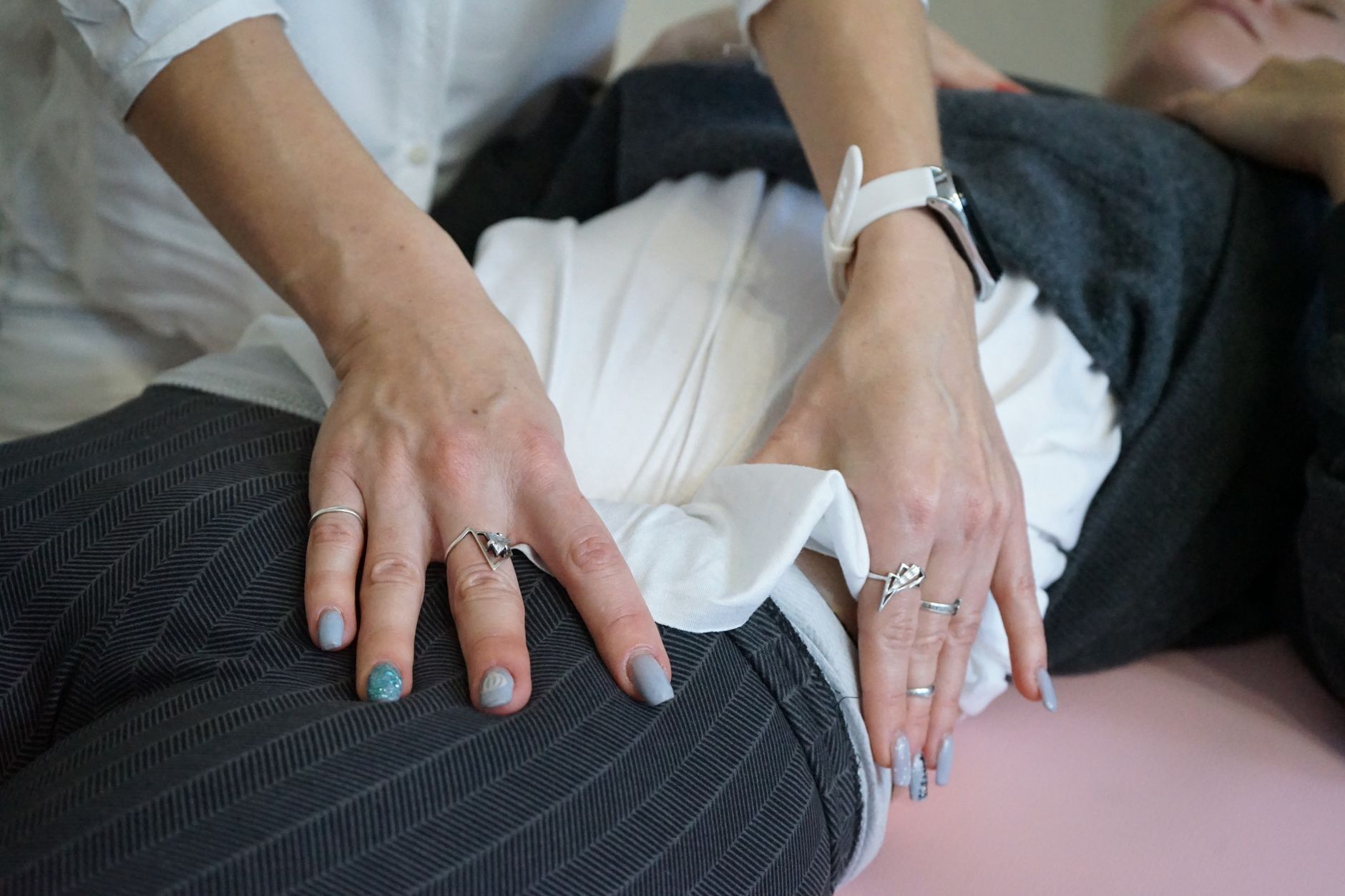
Beyond breathwork, Vagal Vibe also uses parts of gentle somatic therapy. This therapy focuses on the deep link between your mind and body. It especially looks at how stress and trauma show up as physical tension and pain.
Many people hold chronic tension in their muscles—in their shoulders, jaw, hips, or back—often without even knowing it. This is usually a protective response to long-term stress or overwhelming past experiences. This muscle “armor” can make you feel uneasy, limit your movement, and lead to chronic pain.
Gentle somatic therapy, as taught at Vagal Vibe, uses slow, mindful movements and focused attention. This helps you become more aware of these deeply held muscle patterns. By gently engaging and then releasing these tight muscles, your nervous system learns to let go of patterns it’s held onto for years, sometimes decades.
This process is profound because it’s more than just stretching. It re-educates your brain and nervous system, teaching them how to relax and move more easily. It helps integrate past experiences, lessens physical discomfort, and gives you a sense of being grounded and safe in your own body.
This body-focused approach works beautifully with breathwork. It provides a full set of tools for holistic nervous system regulation and lasting stress relief.
The Symbiotic Relationship: Breathwork and Somatic Awareness
Breathwork directly affects your automatic nervous system by changing carbon dioxide and oxygen levels. Somatic therapy, though, approaches the nervous system from a different angle: through how your body feels and moves. The great thing about combining these two methods, as Vagal Vibe does, is how they work together.
Breathwork can help calm an overactive nervous system, making you more open to somatic exploration. And releasing muscle tension through somatic movements can deepen your breath. This creates fuller, more expansive breathing patterns that further help regulate your nervous system.
Imagine using rhythmic breathing to gently nudge your body into a relaxed state. Then you use that relaxed state to explore subtle areas of tension in your hips or shoulders. As those areas “unclench,” your breath might naturally deepen, creating a positive cycle.
This integrated approach doesn’t just treat stress and anxiety symptoms. It also gets to their root causes. This helps people regain control over their internal states.
It’s about building a deep connection between your mind and body, where each supports the other in a dance of healing and self-discovery. This holistic synergy makes Vagal Vibe’s programs particularly effective for lasting well-being.
Cultivating Resilience: Beyond Immediate Relief
Vagal Vibe’s approach goes beyond simply offering temporary relief from stress or anxiety. The goal is to build lasting resilience within you. Here, resilience isn’t just bouncing back from hard times.
It’s your nervous system’s ability to adapt well to changing situations. It’s being able to move smoothly between states of activity and rest. It’s also integrating tough experiences without getting overwhelmed.
Traditional methods often focus on just managing symptoms; Vagal Vibe focuses on boosting your nervous system’s natural ability to self-regulate.
With consistent practice of breathwork and somatic movements, you’ll develop your own internal toolkit. You’ll learn to spot the first signs of stress in your body, like a clenched jaw or shallow breathing. And you’ll have practical ways to step in proactively.
This self-awareness and self-reliance are powerful. Instead of feeling like a victim to your stress responses, you become an active participant in your own physical and emotional well-being. This shift from just reacting to being able to respond is a core part of true resilience.
It empowers you to handle life’s unavoidable challenges with more calm, clarity, and embodied wisdom. It fosters an inner strength that touches every part of your life.
The Vagal Vibe Difference: A Personalized Journey to Balance
What truly makes Vagal Vibe stand out is our dedication to a personalized, supportive, and scientifically informed approach. We know that everyone’s nervous system history and current struggles are unique. So, Vayshali and her team tailor their guidance to meet your specific needs.
This isn’t a one-size-fits-all solution. It’s a journey guided by expertise and deep empathy. The programs at Vagal Vibe use the latest insights in neuroscience, polyvagal theory, and somatic psychology.
We turn complex ideas into practices that are easy to understand and use.
Clients learn not just techniques, but the core reasons those techniques work. This empowers them to understand *why* certain practices are effective and how to fit them into their daily lives. The focus is on gentle progress, listening to your body, and building a sustainable practice, rather than forcing immediate, possibly overwhelming, changes.
Whether through guided breathwork sessions, subtle somatic explorations, or integrated workshops, Vagal Vibe offers a safe and nurturing space for deep personal change. The ultimate goal is to give you the skills to foster a more regulated, responsive, and resilient nervous system. This leads to a life filled with greater peace, presence, and overall vitality.
The ultimate aim is to equip individuals with the skills to foster a more regulated, responsive, and resilient nervous system, leading to a life characterized by greater peace, presence, and overall vitality.
The Science Behind the Calm: How Polyvagal Theory Guides Vagal Vibe
At the heart of Vagal Vibe’s method is the groundbreaking Polyvagal Theory, developed by Dr. Stephen Porges. This theory gives us a crucial way to understand the autonomic nervous system.
It also shows its profound impact on our emotional regulation, how we connect with others, and our physical health. Older models saw the nervous system as a simple on/off switch between “fight or flight” and “rest and digest.” But Polyvagal Theory offers a more detailed view.
It highlights three distinct states of the vagal nerve system: the ventral vagal complex (linked to social engagement, safety, and connection), the sympathetic nervous system (mobilization, fight/flight), and the dorsal vagal complex (immobilization, shutdown, or freeze). Vayshali is an expert at simplifying these complex states. She helps clients figure out which state they’re in.
More importantly, she teaches them how to gently find their way back to a state of ventral vagal safety and connection.
Understanding these states allows people to see their anxiety, depression, chronic stress, and trauma differently. They’re not personal failings. Instead, they’re the nervous system’s adaptive responses, trying to protect us, even if they’re often unhelpful in modern life.
This new perspective is incredibly empowering. It removes shame and clears the way for self-compassion and effective help. Vagal Vibe’s practices—like specific breathwork patterns, subtle movements, and mindful awareness exercises—are carefully designed.
They aim to stimulate the vagus nerve, improve vagal tone, and gradually move the nervous system towards more flexibility and resilience. By working with the body’s natural intelligence, these practices help you shift out of constant activation or shutdown.
You can move into a more balanced and regulated state where true healing and growth can happen.
Empowering Self-Regulation: Practical Tools for Daily Life
One of the biggest benefits of Vagal Vibe’s approach is that it gives clients practical, usable tools they can use every day. We don’t want you to depend on a practitioner. Instead, we want to help you build your own inner resources for self-regulation.
Vayshali believes true transformation happens when you understand *how* to respond to your nervous system’s signals, rather than just reacting to them. This means teaching you how to pinpoint your personal nervous system triggers. You’ll learn to spot the early signs of dysregulation.
And you’ll get specific techniques to gently guide yourself back to a state of calm and presence. These techniques are often simple, but they’re incredibly effective. They range from conscious breathing exercises and mindful body scans to subtle self-touch practices and intentional social interaction.
For instance, clients learn to activate their ventral vagal system through practices like humming, gargling, or even purposely making eye contact with someone they trust. They discover how to gently release sympathetic activation through guided movements, shaking, or focused breathwork that extends the exhale.
And they learn ways to carefully emerge from dorsal vagal shutdown, such as grounding exercises, looking around their environment, or gentle movement. The beauty of these tools is that they’re easy to access and adapt. You can do them discreetly in different settings.
This gives you an immediate sense of control and agency. By consistently using these practices, clients build a strong toolkit for managing stress, boosting emotional resilience, and fostering a deeper connection with themselves and others. The journey with Vagal Vibe is ultimately about discovery and empowerment.
You’ll reclaim your natural capacity for peace and well-being, paving the way for a life lived with more ease and authenticity.